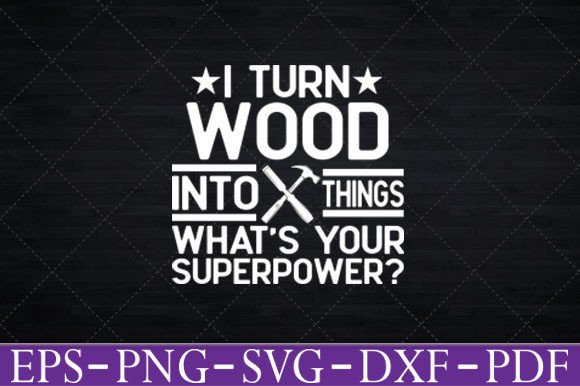
I Turn Wood into Things: Crafts Graphics Asset
As a digital publisher and blog designer, I constantly evaluate graphic design assets not just for their aesthetic appeal, but for their functional utility in a real content workflow. When I first opened the files for the "I Turn Wood into Things Carpenter TShirt" asset, my immediate assessment was focused on its editorial versatility. This is not merely a novelty graphic; it is a robust piece of visual communication that bridges the gap between humor and skilled craftsmanship. The design carries a distinctively playful yet competent mood, making it an ideal anchor for woodworking blogs, DIY lifestyle sites, and maker community newsletters.
In the context of editorial design, this asset strikes a balance that is often hard to find in niche graphics. It avoids being overly cartoonish, which maintains reader trust, while still injecting the personality necessary for high-engagement content. For publishers in the crafts sector, this specific visual tone supports a narrative of accessible expertise. It tells the reader that the content will be informative but also enjoyable, setting the perfect stage for tutorials, tool reviews, or personal maker stories. As an instant download cutting file compatible with various software, the source vectors are clean, meaning they scale perfectly for everything from tiny social icons to large-format website headers without pixelation.
Deploying the Asset Across Editorial Touchpoints
In my daily publishing workflow, consistency is key to building brand identity. This carpenter-themed graphic serves as a unifying element across multiple content formats. When designing a featured image for a blog post about workshop organization or gift ideas for woodworkers, this asset provides an instant focal point. It eliminates the need for generic stock photography, replacing it with a custom-branded illustration that signals niche authority. For Pinterest pin creation, the bold typography and clear iconography inherent in the design ensure readability even when scaled down in a crowded feed. Vertical pins utilizing this graphic have a higher potential for click-throughs because they clearly communicate the value proposition before the user even reads the headline.
Beyond standard blog graphics, this asset shines in digital product development. If you are creating a lead magnet, such as a "Workshop Safety Checklist" or a "Wood Species Guide," this graphic works exceptionally well as cover art. It transforms a simple PDF into a perceived high-value resource. Similarly, for newsletter creators, using this design in email headers or as section dividers breaks up text-heavy layouts and reinforces brand recognition in the inbox. For affiliate marketers promoting tools or lumber, placing this graphic near product recommendations adds a layer of native authenticity that polished corporate banners often lack. It feels like a recommendation from a friend rather than an advertisement, which is crucial for conversion in the maker niche.
Enhancing Visual Hierarchy and Reader Trust
A primary goal in web design is guiding the reader’s eye through intentional visual hierarchy. The "I Turn Wood into Things" composition naturally draws attention due to its contrast and relatable messaging. When used as a hero image or category thumbnail, it acts as a visual signpost, helping users instantly recognize they are in the right place. This reduces bounce rates by confirming relevance within milliseconds. Furthermore, high-quality, niche-specific graphics signal professionalism. Readers subconsciously associate well-designed visuals with well-researched content. By integrating this asset into your site’s template, you elevate the perceived quality of your articles, tutorials, and reviews.
This asset also supports content marketing strategies by being highly adaptable for social media graphics. Whether you are creating Instagram carousels explaining joinery techniques or Facebook ads for a woodworking course, the vector nature of the file allows for easy color manipulation to match seasonal campaigns or specific branding palettes. This flexibility ensures that your visual presence remains cohesive whether you are posting a serious safety tip or a humorous anecdote about sawdust. The ability to customize the SVG or EPS files means you can create a suite of matching graphics that strengthen your overall digital footprint.
Strategic Placement and Contextual Awareness
While this graphic is versatile, experienced publishers know that context dictates effectiveness. This asset performs best in environments that celebrate creativity, humor, and hands-on work. It is perfect for:
- Hero Images: At the top of "About Me" pages or workshop tour posts to establish personality.
- Category Thumbnails: Helping users navigate between "Power Tools," "Hand Tools," and "Projects."
- Printable Design: Serving as the centerpiece for t-shirt mockups or sticker sheets sold in Etsy shops.
- Digital Guides: Adding visual interest to otherwise dry instructional PDFs or eBooks.
- Canva Templates: Acting as a base layer for customizable social media kits for other woodworkers.
However, caution is required in certain applications. Avoid using this humorous graphic in sections dealing with serious safety warnings, injury prevention protocols, or formal business-to-business supplier contracts. The playful tone could inadvertently undermine the gravity of critical safety information. Additionally, be mindful of busy layouts; because the design has typographic detail, it needs adequate whitespace to breathe. Placing it against a cluttered background or over complex texture patterns will reduce legibility and impact. On mobile devices, always test the thumbnail size to ensure the text "I Turn Wood Into Things" remains readable without zooming. If the text becomes illegible at small sizes, consider using only the graphical icon element for mobile views while retaining the full composition for desktop displays.
Publisher Notes: Technical and Licensing Best Practices
Before deploying this digital download to a live production environment, run through a technical quality assurance checklist. First, verify the commercial license terms. While the asset is excellent for monetized websites and affiliate pages, ensure your specific usage tier covers the intended application, especially if you plan to sell physical products featuring the design. Next, optimize for web performance. Although vectors are lightweight, if you export to PNG for blog use, compress the file to maintain fast load times without sacrificing crisp edges. Test the graphic against both light and dark mode backgrounds on your website to ensure accessibility standards are met.
Typography pairing is another critical consideration. This asset has a distinct handcrafted aesthetic that pairs beautifully with rustic serif fonts or clean industrial sans-serifs. Avoid pairing it with overly ornate script fonts, as this creates visual competition and reduces clarity. When creating small business branding materials, try placing the graphic beside your logo to check for visual weight balance. Finally, always preview the asset inside your actual CMS theme before publishing. What looks good in a design file might interact unexpectedly with CSS overlays or padding. By treating this graphic as a professional publishing component rather than just a clip-art decoration, you maximize its ROI and enhance the overall user experience of your content platform.
Ultimately, the "I Turn Wood into Things Carpenter TShirt" asset is more than just a funny saying; it is a strategic tool for digital publishers in the crafts niche. It solves the common problem of finding visuals that are both professional and personable. By leveraging its multi-format compatibility and strong visual voice, bloggers and marketers can create a more engaging, trustworthy, and visually consistent brand presence. Whether used for a viral Pinterest pin, a downloadable workshop guide, or a newsletter header, this graphic supports the dual goals of aesthetic excellence and content performance. In the competitive landscape of online publishing, having access to such targeted, high-quality design assets is what separates amateur blogs from authoritative industry resources.