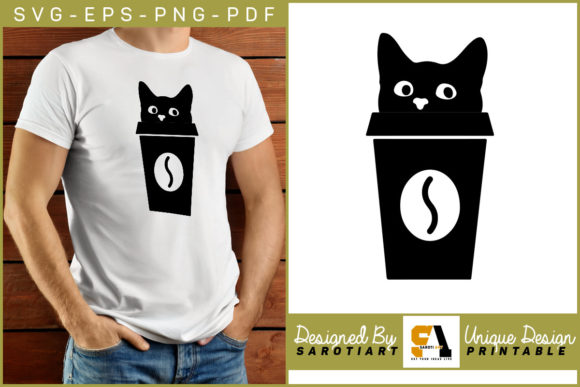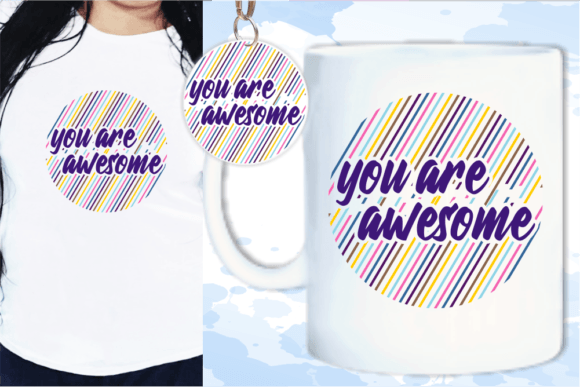
Keychain, T-Shirt & Mug SVGs: An Embroidery Review
As a professional embroidery designer and product reviewer, I approach every new digital asset with a specific question: will this actually stitch out cleanly on real fabric? When evaluating a versatile bundle labeled Keychain Svg, T-shirt Svg, Mug Designs, my focus shifts immediately from screen aesthetics to needle performance. While these files are marketed as graphics for sublimation or vinyl, their potential as a foundation for machine embroidery is significant if approached correctly. For small business owners, Etsy sellers, and makers, understanding the translation from vector art to stitched reality is the difference between a polished handmade product and a frustrating production failure.
First Impressions: Visual Personality and Stitch Potential
Upon opening the ZIP file containing SVG, EPS, AI, and high-resolution PNG formats, the first thing I assess is line clarity. A design intended for a mug or t-shirt often relies on thin lines and intricate details that look crisp in print but can become problematic in thread. In this collection, the visual mood strikes a balance between playful and functional. The shapes are generally bold enough to suggest they were created with crafting in mind, which is a positive indicator for embroidery adaptation.
For a tote bag design or sweatshirt embroidery project, the layout feels balanced. The negative space is adequate, meaning there is room to add personalized text without overcrowding the hoop. However, because these are primarily graphic assets, I noticed some elements that would require modification before hitting "start" on an embroidery machine. Thin connecting lines meant for printing would need to be thickened to accommodate a minimum satin stitch width, and tiny internal details might need to be simplified into fill stitches or removed entirely to prevent puckering on stretchy fabrics.
Real-World Application: From Digital File to Finished Product
To truly test the viability of these designs, I mentally applied them to a recent client request: a set of personalized canvas tote bags and matching keychains for a boutique wedding favor. This scenario highlights the dual nature of the Keychain Svg, T-shirt Svg, Mug Designs package.
For the tote bags, the larger t-shirt graphic served as an excellent base. Canvas is a forgiving fabric texture that holds dense stitching well. Because the original SVG had clean vectors, converting it into an applique design was straightforward. I could easily trace the outer boundary for a placement line and use the interior shapes for decorative running stitch accents. The result was a lightweight yet visually impactful custom apparel item that didn't feel stiff or over-stitched.
The keychain component presented a different challenge. Keychains require extreme density and durability. Using the smaller graphics from this pack, I evaluated whether the details would survive at a 2-inch size. Here, the high-resolution PNG was invaluable for creating a printable mockup to show the client before digitizing. It allowed us to confirm that the design retained its character when scaled down. For the actual embroidered patch, I had to merge certain color blocks to reduce jump stitches, ensuring the final handmade product looked professional rather than cluttered.
Navigating Fabric Limitations and Hoop Constraints
While these graphics are versatile, they demand respect for material limitations. Not every design in this category suits every substrate. As an experienced reviewer, I must emphasize where caution is necessary.
- Stretchy Fabrics: When using these designs on baby clothes or performance wear, avoid large, solid fill areas derived from the mug graphics. These can create a "bulletproof vest" effect that distorts the garment. Opt for outline or redwork versions instead.
- Textured Surfaces: If you are stitching on terry cloth towels or fleece blankets, the fine details in the keychain vectors will get lost. You must increase stitch density and perhaps add a topping stabilizer to ensure the design sits on top of the pile.
- Curved Items: Caps and curved mugs (for sublimation) have different distortion points. A flat SVG design must be warped or adjusted to compensate for the curve of a hat brim. Do not assume a flat graphic will stitch flat on a curved surface without testing.
- Small Hoop Sizes: Many crafters use 4x4 hoops. Ensure the keychain designs fit comfortably within this area with room for hooping. Scaling down complex t-shirt graphics to fit a 4x4 hoop often results in illegible text and muddy details.
Impact on Brand Consistency and Customer Trust
For Etsy sellers and creative entrepreneurs, consistency is currency. Using a cohesive set of Keychain Svg, T-shirt Svg, Mug Designs allows you to build a recognizable brand identity across multiple product lines. When a customer buys a mug and later returns for a matching sweatshirt, the design continuity reinforces professionalism.
However, visual appeal directly correlates to perceived value. A poorly digitized version of a beautiful vector graphic looks amateurish. Thread colors must be selected to match the vibrancy of the original PNG. If the digital file uses gradients, remember that standard machine embroidery cannot replicate them perfectly; you must use thread blending or shading techniques to mimic that depth. Taking the time to properly adapt these graphics ensures your finished product justifies a premium price point and builds buyer engagement through quality.
Essential Designer Notes for Safe Production
Before listing any item made from these assets or selling the digital embroidery file itself, adhere to these practical protocols:
- Verify Licensing: Just because you bought the SVG/PNG pack does not automatically grant commercial embroidery rights. Always check the specific license terms included in the ZIP. Some designers allow physical product sales but prohibit selling the digitized embroidery file.
- Test Stitch is Mandatory: Never run a new design directly on a client’s garment. Test on scrap fabric that matches your project's weight and weave. Check for registration issues, especially where satin stitches meet fill areas.
- Stabilizer Selection: Match your stabilizer to the fabric, not just the design. Cut-away for knits, tear-away for wovens, and water-soluble for napped fabrics. The wrong stabilizer can ruin even the best-digitized version of these graphics.
- Mockup Validation: Use the transparent background PNGs to create realistic mockups for your shop listings. This helps manage customer expectations regarding size and placement before you ever thread a needle.
- Detail Audit: Inspect small corners and sharp angles. Vector points are infinitely sharp; needles are not. Round off acute angles in your digitizing software to prevent thread breaks and fraying at stress points.
Final Verdict for Makers and Sellers
The Keychain Svg, T-shirt Svg, Mug Designs collection offers a robust starting point for craft businesses and hobbyists. The inclusion of multiple formats (SVG, EPS, AI, PNG) provides the flexibility needed for both digital previewing and physical production. For the embroiderer, these graphics serve as excellent blueprints, provided you apply technical judgment during the digitizing process.
Success lies in adaptation. Treat these files as high-quality raw materials rather than finished embroidery patterns. By respecting stitch physics, testing on appropriate fabrics, and maintaining brand consistency, you can transform these versatile graphics into profitable, professional-grade embroidered products that delight customers and elevate your shop’s reputation. Whether you are creating holiday gifts, boutique merchandise, or personalized baby items, this asset pack holds genuine value for the thoughtful maker.