Volleyball Shirt Retro Design: An Embroidery Review
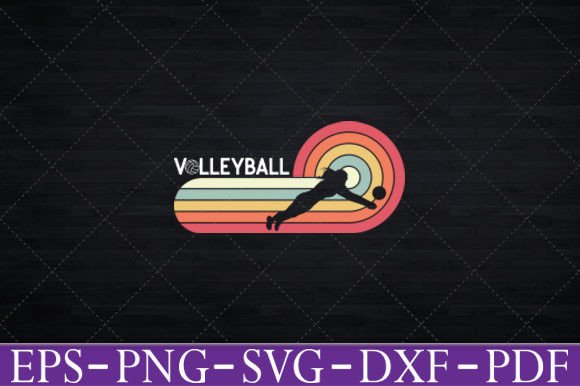
As a professional embroidery digitizer and product reviewer, I approach every new graphic with a specific question: will this actually stitch out well on fabric? When evaluating the Volleyball Shirt. Retro Style T-Shirt design asset, my focus shifts immediately from its digital appearance to its physical potential. While this file is marketed as a cutting file for vinyl and paper crafts, experienced makers know that bold, retro graphics often translate beautifully into machine embroidery when handled correctly. The nostalgic aesthetic of this volleyball shirt design offers significant value for apparel decorators and Etsy sellers looking to create vintage-inspired sportswear or custom team merchandise.
First Impressions and Visual Personality
The initial appeal of this Volleyball Shirt. Retro Style T-Shirt lies in its distinct era-specific charm. Retro sports graphics typically feature bold typography, distressed textures, and simplified geometric shapes. From an embroidery perspective, this is generally excellent news. Unlike hyper-realistic photographs that require tens of thousands of stitches and complex color blending, retro styles rely on solid blocks of color and clear outlines. This visual personality suggests a design that will have high impact even from a distance, making it ideal for custom apparel like sweatshirts and hoodies where readability is paramount.
However, because this is originally distributed as a vector graphic for cutting machines, the "distressed" elements common in retro prints require careful interpretation for needle and thread. A grunge texture that looks amazing in a PNG might become a nightmare of jump stitches and thread breaks if digitized without modification. As a reviewer, I see this design as a strong foundation for an applique design or a stylized fill stitch project rather than a direct 1:1 conversion of a printed image.
Real-World Application: The Vintage Team Sweatshirt
To truly judge the viability of this graphic, I mentally placed it in a real-life production scenario. Imagine preparing a custom embroidered crewneck sweatshirt for a local volleyball club’s alumni reunion or a boutique’s fall athletic collection. The goal is a soft, vintage feel that doesn’t look like a stiff, modern uniform.
In this context, the Volleyball Shirt. Retro Style T-Shirt graphic serves as the perfect centerpiece. For a sweatshirt embroidery project, I would recommend utilizing a combination of techniques. The main body of the shirt illustration could be executed as a large appliqué using fleece or felt to reduce stitch density and add tactile warmth. The retro lettering should be digitized with a slightly worn satin stitch or a textured fill stitch to mimic aged ink. This approach respects the source material while optimizing for the medium. Customers react positively to this level of intentionality; it transforms a generic graphic into a premium handmade product that justifies a higher price point than standard screen printing.
Navigating Fabric Choices and Stabilization
While the retro aesthetic is forgiving, the application requires technical mindfulness. This design will perform differently across various substrates, and understanding these nuances is critical for commercial embroidery success.
- Sweatshirts and Fleece: These are the ideal homes for this design. The pile of the fabric complements the retro vibe. However, you must use a heavy-duty cut-away stabilizer and potentially a water-soluble topping to prevent the stitches from sinking into the fabric texture.
- Tote Bags and Canvas: A tote bag design featuring this volleyball graphic creates excellent merchandise. Canvas provides a stable base, but ensure your stitch density is adjusted to prevent puckering on unstructured bags.
- Stretchy Performance Wear: Proceed with caution. Retro designs can sometimes be dense. If applying this to thin, stretchy polyester, use a lightweight knit stabilizer and consider reducing the overall size to maintain the garment's drape.
- Caps and Curved Surfaces: Unless the design is specifically digitized for caps with proper pull compensation, avoid placing this centered logo on curved brims. The distortion risk is high. Stick to flat surfaces or left-chest placements on structured hats.
For any baby embroidery applications, such as onesies or bibs, verify that the design lacks sharp edges or excessive density that could irritate sensitive skin. The retro style usually allows for softer execution, but always test first.
Technical Considerations for Digital Assets
It is vital to address the file format reality. The product description lists SVG, PNG, DXF, PDF, and EPS formats compatible with Cricut and similar cutters. It does not explicitly list PES, DST, EXP, or JEF embroidery files. As an experienced designer, I must emphasize that you cannot stitch a vector file directly. You or a professional digitizer must convert this graphic into a true digital embroidery file.
This distinction matters for Etsy sellers and small business owners. If you purchase this asset intending to embroider, factor in the time or cost of digitizing. Do not attempt to auto-digitize complex retro textures; the result is often poor. Instead, use the high-resolution PNG or vector EPS as a template to manually digitize a version optimized for thread. Check the licensing terms carefully to confirm whether creating derivative embroidered products for sale is permitted under the commercial license.
Enhancing Value Through Presentation
The way you present the finished Volleyball Shirt. Retro Style T-Shirt project influences buyer engagement and perceived value. Because retro designs evoke nostalgia, your presentation should match. Use natural lighting and lifestyle photography rather than sterile white backgrounds. Show the embroidery on a person or styled in a relevant environment, like a gym bag or draped over a chair.
Create accurate printable mockups before stitching to visualize placement and scale. A design that looks balanced on a computer screen might appear too small on an adult XL sweatshirt or too overwhelming on a youth size. Testing in black and white mockups helps evaluate contrast independent of color, ensuring the design reads well even in monochromatic thread schemes. This step saves materials and ensures brand consistency across different product lines.
Designer Notes for Successful Execution
Before loading your hoop, adhere to these practical guidelines to ensure professional results:
- Test Stitch on Scrap: Never run a new design on a final product first. Test on similar fabric to check registration, tension, and stabilizer adequacy.
- Evaluate Thread Colors: Retro palettes are specific. Standard bright red might look too modern; opt for muted, heathered, or variegated threads to enhance the vintage authenticity.
- Check Small Details: If the design includes tiny text or intricate lacing details, verify they are legible at your intended size. Running stitch details below 2mm may need to be enlarged or removed.
- Confirm Hoop Size: Ensure the design fits comfortably within your machine’s maximum embroidery area with adequate margin for hooping. Resizing significantly can alter stitch density and distort the retro proportions.
- Review Washability: If selling personalized gifts or team gear, assume they will be washed frequently. Secure all appliqué edges properly and avoid overly long satin stitches that could snag.
Final Verdict for Makers and Sellers
The Volleyball Shirt. Retro Style T-Shirt represents a versatile asset for the creative entrepreneur who understands the translation between digital art and textile craft. Its strength lies in its bold, nostalgic composition which naturally suits the tactile nature of embroidery. Whether you are producing holiday embroidery gifts, outfitting a local team, or expanding your shop’s athletic aesthetic, this design offers a strong starting point.
Success depends on respecting the medium. Treat this not as a finished embroidery file, but as high-quality source material requiring skilled adaptation. By focusing on appropriate fabric pairings, proper stabilization, and authentic color choices, you can elevate this graphic from a simple cutting file to a standout piece of embroidered apparel. Always prioritize testing and quality control to maintain customer trust and ensure your finished product reflects the professionalism of your brand. With the right technical approach, this retro volleyball design can become a profitable and beloved addition to your embroidery catalog.