Measure Cut Swear Repeat: An Embroidery Review
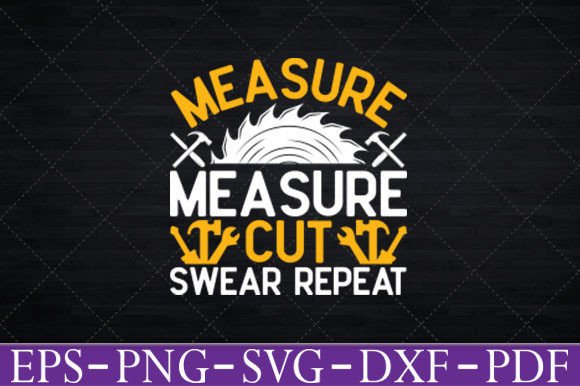
As a professional embroidery designer and product reviewer, I approach every new graphic with a specific question: will this actually stitch out well on fabric? When evaluating the Measure Cut Swear Repeat Funny T-Shirt design, my first impression is that it captures a very specific, relatable mood for the woodworking and maker community. The layout suggests a cyclical process that resonates deeply with crafters, but translating a digital vector graphic into a tangible machine embroidery design requires careful consideration of structure, density, and end-use application. This review breaks down how this graphic performs when moved from screen to hoop, specifically for those running a craft business or creating personalized gifts.
First Impressions and Visual Personality
The visual personality of this design is undeniably humorous yet grounded in the reality of workshop life. For an Etsy seller or boutique owner, this type of humor sells because it validates the customer's experience. However, as a digitizer, I look at the typography and iconography through a technical lens. The phrase implies repetition, which often translates to bold, blocky lettering in digital files. This is generally excellent for embroidery because thicker lines accommodate satin stitch or column stitches better than thin, spindly fonts. If the original embroidery file has been digitized with adequate width, the text should remain legible even on textured fabrics like canvas or denim. The mood is rustic and industrial, suggesting that this design belongs on natural fibers rather than shiny synthetics.
Real-World Application: The Workshop Apron Test
To truly evaluate this asset, I mentally placed it in a real-life scenario: embroidering a heavy-duty canvas apron for a local carpenter’s holiday gift. This is a classic use case for custom apparel in the trades. An apron provides a stable, flat surface, but the fabric texture is coarse. In this context, the Measure Cut Swear Repeat Funny T-Shirt design needs to have enough stitch density to prevent the fabric weave from showing through the letters. If the digitizing relies too heavily on lightweight running stitch outlines, they might get lost in the canvas grain. Conversely, if the design includes solid fill areas, I would want to ensure the underlay is sufficient to stabilize the fabric without creating a bulletproof patch that cracks after washing. For this specific project, the design serves as a perfect centerpiece, balancing professional pride with self-deprecating humor that makes the handmade product feel personal rather than generic.
Navigating Fabric Challenges and Hoop Limitations
While aprons are forgiving, applying this design to other items requires caution. I often see crafters attempt to put workshop humor on stretchy t-shirts or thin tea towels. Here, the performance of the digital embroidery file matters immensely. On stretchy knits, a dense design can cause puckering if the proper stabilizer isn't used. I recommend testing this design on a scrap of similar weight fabric before committing to a final embroidery project. If you are working with a small hoop size, such as a 4x4 inch area, verify that the resizing hasn't distorted the stitch angles. Shrinking a design meant for a sweatshirt chest down to a pocket logo can result in thread breaks and poor coverage. Additionally, be wary of using this on curved surfaces like caps unless the file was specifically digitized for cylindrical hoops; flat designs often distort severely on hat fronts.
Critical Considerations for Dark and Textured Materials
- Contrast is Key: Since this is a woodworking theme, many makers will want to use dark brown or navy garments. Ensure your thread colors offer high contrast against these backgrounds. White or cream thread usually reads best, but test visibility first.
- Texture Management: On fleece or minky for a sweatshirt embroidery project, consider using a water-soluble topping to keep the stitches from sinking into the pile.
- Detail Integrity: Inspect any small decorative elements or icons included in the graphic. Tiny details that look crisp in a PNG preview may turn into thread nests when stitched. Simplify if necessary.
- Washability: Workwear gets dirty. Confirm that the stitch density is robust enough to withstand industrial laundering without fraying.
Commercial Viability for Makers and Sellers
For those selling finished goods, the Measure Cut Swear Repeat Funny T-Shirt graphic offers strong commercial potential because it targets a passionate niche. However, professionalism separates hobbyists from viable businesses. Before listing a tote bag design or embroidered patch featuring this artwork, you must verify the licensing terms associated with the instant download. Just because a file is compatible with cutting software does not automatically grant commercial embroidery rights. Always check the specific usage license for commercial embroidery to protect your shop. Furthermore, when creating printable mockups for your listings, ensure the digital representation matches what your machine actually produces. Customers trust sellers whose photos accurately reflect the tactile reality of the finished product. Misleading mockups lead to returns and negative reviews, whereas honest presentation builds brand consistency and buyer engagement.
Designer Notes for Optimal Results
Based on my evaluation of similar graphics in the Crafts and Graphics categories, here are my practical recommendations for getting the best results with this design:
- Audit the File Formats: The product description mentions SVG, PNG, DXF, PDF, and EPS. Note that these are primarily vector and raster formats for cutting and printing. You must confirm if a dedicated embroidery format (like PES, DST, or JEF) is included or if you will need to digitize the vector file yourself. Never assume a PNG is stitch-ready.
- Test Stitch Density: Run a sew-out on scrap fabric identical to your final project. Check the back of the embroidery; if the bobbin thread is visible on top or the design feels excessively stiff, adjust the density settings in your software.
- Evaluate Applique Potential: If the design features large solid shapes, consider converting them to an applique design. This reduces stitch count significantly, making the garment softer and more comfortable to wear while adding a mixed-media texture that appeals to buyers.
- Check Small Lettering: If the "Repeat" portion of the text is significantly smaller than the rest, measure the height. Text under 4mm often requires specialized font adjustments or simplification to stitch cleanly.
- Mockup vs. Reality: Create a black and white version of your design preview to check value contrast without the distraction of color. This helps identify if the design hierarchy holds up visually before you thread the needle.
Final Verdict on Usability
The Measure Cut Swear Repeat Funny T-Shirt concept is a winner for the woodworking and maker demographic. It carries the right emotional weight for personalized gift giving and niche retail. However, its success as an embroidered patch, apron, or apparel item depends entirely on technical execution. As with any digital asset adapted for needle and thread, respect the physics of the medium. Verify your file compatibility, test your stabilizers, and honor the licensing. When treated with professional diligence, this design can become a staple in your catalog of design assets, bridging the gap between digital humor and high-quality handmade craftsmanship. Whether you are a seasoned small shop product developer or a hobbyist making a gift for a spouse, taking these extra steps ensures the final stitch-out is as funny and functional as intended.