Land of the Free: Embroidery Design Review
As a professional embroidery digitizer and product reviewer, I approach every new graphic with a specific question: will this actually stitch out cleanly on fabric? When evaluating Land of the Free America Since 1776, my focus shifts immediately from the screen to the hoop. This design features awesome typography intended for 4th of July T-shirt designs, but as any experienced maker knows, a high-resolution PNG is merely the starting point for textile art. For embroidery designers, Etsy sellers, and apparel decorators, understanding how this bold lettering translates into thread is crucial for creating a successful handmade product.
First Impressions and Typographic Weight
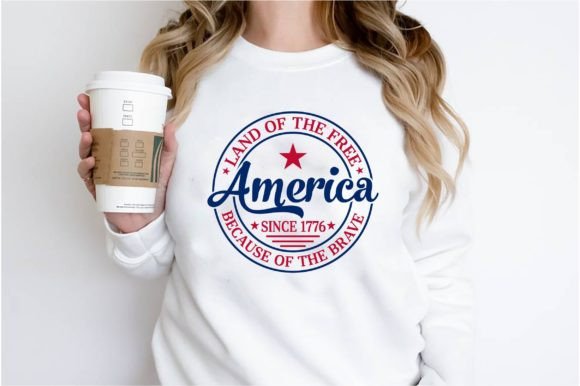
The visual personality of Land of the Free America Since 1776 is undeniably patriotic and assertive. The layout suggests a stacked or arched typographic arrangement that commands attention. From a design perspective, this boldness is excellent for visibility on custom apparel and tote bags. However, bold graphics in digital format often hide challenges that only appear during digitization. The thickness of the letterforms indicates that this will likely require substantial satin stitch columns or dense fill stitch areas. While this creates a premium, textured look on stable fabrics like denim or canvas, it raises immediate concerns regarding stitch density on lighter materials. The mood is celebratory and historic, making it ideal for holiday embroidery projects, but the sheer visual weight means placement and stabilization must be calculated precisely to avoid puckering or distortion.
Real-World Application: The Sweatshirt Test
To truly evaluate this asset, I mentally placed it in a real-life scenario: preparing a custom embroidered sweatshirt for a small shop product launch. Sweatshirts are a staple for craft businesses and boutique branding, but fleece presents unique challenges due to its stretch and pile. If I were using Land of the Free America Since 1776 for this project, my primary concern would be registration. Bold typography demands crisp edges; if the underlay isn't sufficient or the stabilizer is inadequate, the letters can sink into the fleece or shift, resulting in jagged outlines that diminish the professionalism of the finished product.
In this scenario, I would treat the PNG as a reference for creating or verifying a machine embroidery design specifically optimized for knit fabrics. The "Since 1776" element, depending on its size, might need to be adjusted. Tiny serifs or thin connecting lines in vintage-style fonts often get lost in sweatshirt embroidery. For a commercial embroidery project intended for sale, I would recommend testing the design on a scrap of identical fleece first. This ensures the thread colors pop against the fabric texture and that the stitch count doesn't create a bulletproof patch effect that makes the garment uncomfortable to wear. This level of diligence is what separates a hobbyist from a trusted Etsy seller.
Navigating Fabric Limitations and Hoop Sizes
Versatility is key for creative entrepreneurs, but Land of the Free America Since 1776 requires careful consideration regarding where it should not be used without modification. While perfect for heavy cotton tees or an embroidered patch, this design demands caution on delicate substrates.
- Stretchy Performance Fabrics: The density required to render bold text clearly can cause tunneling on thin, stretchy activewear. Without proper cut-away stabilizer and potentially a topping, the fabric may gather between letters.
- Curved Surfaces: If adapting this for caps or hats, the horizontal span of "Land of the Free" may exceed the safe stitch area of a standard cap frame. You may need to re-digitize or resize the embroidery file to maintain legibility without distorting the curve.
- Small Hoop Sizes: Reducing this design significantly for baby embroidery or sleeve cuffs risks losing detail. Always check the minimum recommended size for the specific embroidery file version you possess. Text below 0.25 inches in height often requires specialized digitizing to remain readable.
- Textured Linens: For tea towels or pillow covers, the rustic texture can compete with intricate font details. A running stitch outline or an applique design variation might perform better here than a solid fill stitch.
Impact on Product Value and Customer Trust
For those selling digital embroidery files or finished goods, the execution of Land of the Free America Since 1776 directly influences perceived value. Customers associate clean stitching with quality. If the typography looks muddy or the registration is off, it reflects poorly on your brand consistency. Conversely, when this design is executed well, it elevates the item from a generic holiday shirt to a premium personalized gift. High-quality stitch-outs photograph better for printable mockups and listing photos, driving higher buyer engagement. As a digital product seller, providing accurate notes about fabric compatibility and stabilizer recommendations alongside your design assets builds immense trust with fellow makers.
Essential Designer Notes for Success
Before loading this design into your machine for a production run, adhere to these practical checkpoints to ensure your 4th of July inventory meets professional standards:
- Verify File Specifications: Since the product description highlights a high-resolution PNG, confirm you have the appropriate machine embroidery design format (PES, DST, JEF, etc.) or have digitized the graphic correctly. Never assume a PNG is stitch-ready without conversion.
- Test Stitch Density: Run a sew-out on scrap fabric matching your final project. Check the back of the embroidery; if the bobbin thread shows excessively on top or the fabric is stiff, adjust the density settings.
- Evaluate Thread Contrast: Patriotic designs often use red, white, and blue. Test these thread colors on both light and dark backgrounds. White thread on cream fabric lacks impact, while navy on black disappears. Ensure sufficient contrast for readability.
- Stabilizer Selection: Match your stabilizer to the fabric, not just the design. Use tear-away for stable wovens and cut-away for knits. For high-density areas in this typography, consider adding a second layer of stabilizer or using adhesive spray to prevent shifting.
- Licensing Compliance: Before listing items featuring Land of the Free America Since 1776 on Etsy or at craft fairs, strictly review the license terms. Confirm whether the agreement covers commercial embroidery of physical products versus digital resale. Protecting your business starts with respecting intellectual property.
- Mockup Accuracy: When creating marketing materials, use realistic textures in your printable mockups. Showing the design flat is helpful, but displaying it on a wrinkled tee or draped tote bag gives customers a true expectation of the finished product.
Ultimately, Land of the Free America Since 1776 offers strong potential for seasonal sales and meaningful gifts. By approaching it with a critical eye toward stitch mechanics and fabric behavior, you transform a simple graphic into a durable, sellable asset. Whether you are crafting a single heirloom piece or stocking a boutique, let technical precision guide your creativity. The result will be a tribute to American history that honors the craft of embroidery itself.