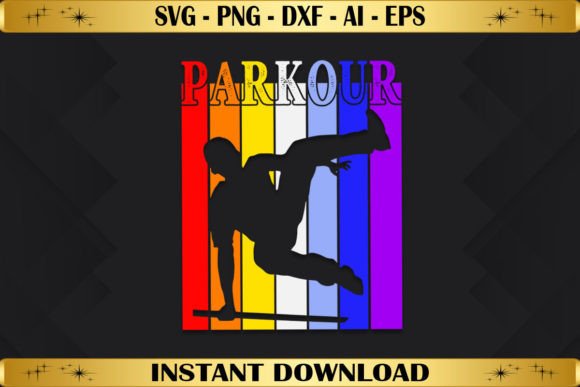
Vintage Style Parkour: An Embroidery Review
When I first opened the zip folder for Vintage Style Parkour, I wasn't just looking at a graphic; I was mentally mapping out stitch paths. As someone who has digitized and tested thousands of machine embroidery designs, my immediate reaction to this artwork was cautious optimism. The aesthetic is undeniably strong, blending kinetic energy with a nostalgic, retro palette that appeals to modern makers. However, translating a print-ready SVG into a tangible embroidered patch or sweatshirt embroidery project requires more than just hitting start on the machine. It requires understanding how those vintage lines will behave under tension.
This review breaks down my practical experience evaluating Vintage Style Parkour as a potential asset for your craft business or personal collection. Whether you are an Etsy seller looking for your next bestseller or a hobbyist planning a personalized gift, understanding the transition from digital file to finished product is crucial for maintaining professional quality.
First Impressions and Visual Personality
The design captures a specific mood that is currently trending in the T-Shirt Designs category: active nostalgia. Unlike generic clip art, Vintage Style Parkour possesses a distinct visual rhythm. The composition suggests movement without being chaotic, which is a massive advantage for embroidery. Chaotic designs often lead to registration issues and puckering, but this layout feels balanced.
From a designer’s perspective, the line weight in the provided AI and EPS files is consistent. This is a relief. Many "vintage" graphics suffer from erratic line thicknesses that force digitizers to make difficult choices between satin stitch and fill stitch. Here, the uniformity suggests that if you choose to convert this graphic into a digital embroidery file, the resulting stitch map should be relatively clean. The retro color blocking also lends itself beautifully to thread color matching, allowing for high-contrast combinations that pop on both light and dark fabric textures.
Real-World Application: The Heavyweight Sweatshirt Test
To truly evaluate this design, I mentally placed it in a real-life production scenario: creating a premium, heavyweight cotton sweatshirt for a boutique merchandise drop. This is a common use case for small shop products where perceived value dictates price point.
In this context, Vintage Style Parkour shines as a center-chest placement. The vintage aesthetic pairs exceptionally well with the nubby texture of fleece-backed cotton. When stitching a design like this on apparel, the goal is to make the embroidery look like it belongs to the garment, not sitting stiffly on top of it. Because the design features bold shapes rather than microscopic details, it allows for adequate spacing between stitch columns. This prevents the "bulletproof vest" effect where dense stitching makes the chest area rigid and uncomfortable.
For this specific sweatshirt project, I would utilize the PNG file to create a printable mockup first. Showing customers a realistic preview helps manage expectations before you commit to commercial embroidery. Once approved, the design’s geometry supports a combination of running stitch outlines and fill stitch interiors, keeping the stitch count reasonable while maximizing visual impact. This efficiency is vital for craft business owners watching their production time and thread consumption.
Navigating Fabric Limitations and Hoop Sizes
While the design is versatile, it demands respect for material limitations. Not every fabric is a suitable canvas for Vintage Style Parkour. During my evaluation, I identified several scenarios where caution is necessary.
- Stretchy Performance Fabrics: If you attempt this on thin, four-way stretch athletic wear, the vintage aesthetic may clash with the technical fabric, and the stabilizer requirements will be intense. The design has enough visual weight that it can distort lightweight knits if not properly supported.
- Small Hoop Constraints: While the graphics are scalable, reducing them too far for a 4x4 hoop size risks losing the charm of the parkour elements. Tiny lettering or intricate limb details may turn into indistinguishable blobs of thread. Always verify the minimum legible size before committing to baby embroidery or sleeve cuffs.
- Textured Surfaces: On terry cloth towels or uneven canvas tote bags, the fine lines of a vintage illustration can get lost. For these projects, consider using the design as an applique design base rather than direct embroidery to maintain crisp edges against the rough fabric texture.
Furthermore, curved surfaces like caps present a unique challenge. The horizontal span of parkour imagery can sometimes warp on a curved brim. If adapting this for headwear, test the distortion in your software first, or opt for a flatter, structured cap to preserve the integrity of the vintage proportions.
Technical Notes for Digitizers and Makers
It is important to clarify that Vintage Style Parkour arrives as a set of vector and raster graphics (SVG, PNG, DXF, AI, EPS). These are print-ready files, not pre-digitized machine embroidery formats like DST or PES. This distinction matters immensely for your workflow.
Because you are receiving source art, you have total creative control over the stitch density and texture. However, this also means you must perform due diligence. Before selling any finished product or listing a custom service based on this art, you must digitize it specifically for your target medium. Do not rely on auto-digitizing features for a design with this level of stylistic nuance. Auto-digitizers often misinterpret vintage distress marks as stitch commands, leading to messy trims and jump stitches.
I strongly recommend testing the design on scrap fabric that matches your final project. Check your thread colors against the fabric in natural lighting; vintage palettes can sometimes look muddy under artificial shop lights. Additionally, review your licensing terms. Just because you own the SVG does not automatically grant unlimited commercial embroidery rights for mass production. Confirm whether the license covers physical goods, digital resale, or both to protect your business.
Elevating Product Value Through Presentation
Beyond the needle and thread, Vintage Style Parkour serves as a powerful branding tool. In the saturated market of handmade products, cohesion builds trust. Using this consistent vintage theme across multiple items—perhaps a matching set of a tote bag design and a coordinating embroidered patch—creates a recognizable brand identity.
The included high-resolution PNG is invaluable here. Use it to create professional listings that show the design in context. Buyers engage more readily when they can visualize the art on a lifestyle product rather than staring at a flat vector file. For Etsy sellers, this dual utility (printable art plus embroidery potential) maximizes the ROI of a single design asset.
Ultimately, Vintage Style Parkour is a robust foundation for creative entrepreneurs. It avoids the trap of being overly complex while retaining enough character to stand out. Whether you are crafting a holiday gift for an urban athlete or stocking your shop with trendy custom apparel, this design offers the flexibility needed for professional results. Treat the digitizing process with patience, respect the fabric limitations, and let the vintage charm translate seamlessly into stitched reality.